Every commercial facility requires maintenance. The question is whether that maintenance happens before equipment fails or after a breakdown disrupts operations.
For commercial, industrial, and institutional facilities throughout Central Indiana, the difference between preventive and reactive maintenance comes down to three critical factors: cost, efficiency, and safety.
While reactive maintenance may appear less expensive initially, waiting until equipment fails often leads to higher repair bills, unexpected downtime, and unnecessary risks.
At VASEY Facility Solutions, preventive maintenance is a priority. Although VASEY provides 24/7/365 emergency service, its proactive approach helps facility managers identify potential problems before they become expensive emergencies.
Reactive Maintenance: Fixing Problems After They Happen
Reactive maintenance follows a simple philosophy: if something breaks, fix it.
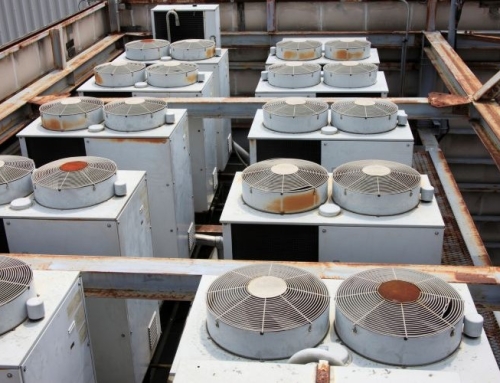
A rooftop HVAC unit stops cooling. A boiler fails during winter. A refrigeration system shuts down. A drain backs up during business hours.
These situations require immediate attention, often resulting in emergency service calls, replacement parts, operational interruptions, and unexpected expenses.
Although some equipment failures are unavoidable, relying primarily on reactive maintenance creates an unpredictable and potentially costly operating environment.
Preventive Maintenance: Staying Ahead of Problems
Preventive maintenance takes the opposite approach. Rather than waiting for equipment failure, technicians perform scheduled inspections, cleaning, testing, adjustments, and system evaluations.
VASEY’s preventive maintenance programs are tailored to each facility’s equipment and operational requirements. Through its connection with LINC Service, VASEY also offers customized maintenance programs designed to improve reliability, extend equipment life, and reduce unexpected repairs.
The objective is straightforward: identify small problems before they become major expenses.
Cost: Preventive Maintenance Protects Your Budget
Reactive maintenance may eliminate regularly scheduled service expenses, but those short-term savings can disappear quickly.
A worn belt, dirty condenser coil, clogged drain, or failing component can increase energy consumption, strain equipment, and eventually cause a costly breakdown.
Preventive maintenance helps facilities:
- Reduce expensive emergency repairs.
- Extend equipment service life.
- Improve energy efficiency.
- Minimize unexpected capital expenditures.
- Make maintenance budgets more predictable.
VASEY’s Guaranteed Lifetime Protection (GLP) Program further demonstrates the financial value of proactive service. By combining preventive maintenance with long-term equipment planning, eligible customers can better manage equipment replacement costs and avoid unexpected financial surprises.
Efficiency: Less Downtime, Better Performance
When critical building equipment fails, the consequences extend beyond repair costs.
HVAC failures can disrupt employee comfort and productivity. Refrigeration breakdowns can threaten inventory. Plumbing problems can interfere with daily operations. Manufacturing facilities may experience costly production delays.
Preventive maintenance reduces the likelihood of these disruptions by keeping systems operating efficiently and identifying components that may require attention.
Consider a previously documented VASEY maintenance program for Applebee’s restaurants involving approximately 100 rooftop HVAC units and 400 pieces of refrigeration equipment.
The comprehensive preventive maintenance program reportedly delivered two significant results:
- 30% reduction in emergency service calls.
- Three to five additional years of equipment life expectancy.
These improvements illustrate how scheduled maintenance can support operational reliability while reducing unexpected service demands.
Safety: Identifying Problems Before They Create Hazards
Safety is another important advantage of preventive maintenance.
Poorly maintained HVAC systems can compromise indoor air quality. Plumbing failures may create sanitation concerns. Mechanical equipment problems can introduce hazards for building occupants and maintenance personnel.
Scheduled inspections allow trained technicians to identify potentially unsafe conditions, address deteriorating components, and verify proper equipment operation.
Preventive maintenance cannot eliminate every risk, but it helps facilities maintain safer, more dependable working environments.
The Bottom Line: Prevention Pays
Reactive maintenance will always have a place. Unexpected breakdowns happen, and VASEY’s emergency service teams are available when immediate assistance is necessary.
However, preventive maintenance is generally the smarter long-term investment. It helps control operating costs, extend equipment life, reduce downtime, improve safety, and protect business continuity.
For Central Indiana facility managers, the choice is straightforward: invest in maintaining equipment today or risk paying considerably more when it fails tomorrow.
Don’t wait for an equipment failure to disrupt your business.
Contact VASEY Facility Solutions to learn how a customized preventive maintenance program can help protect your facility, your employees, and your bottom line.