Every facility needs maintenance. The real question is whether that maintenance happens before equipment fails or after the damage is already done.
For many commercial, industrial, and institutional buildings, the difference between preventive and reactive maintenance shows up in three places: cost, efficiency, and safety. Reactive maintenance may seem cheaper in the moment because you only call when something breaks. But over time, that approach usually costs more, causes more disruption, and creates more risk.
VASEY Facility Solutions takes the opposite approach. While VASEY provides 24/7/365 emergency service, the company clearly emphasizes preventive maintenance—regularly checking, testing, and cleaning systems so problems can be addressed before they interfere with operations.
What Is Reactive Maintenance?
Reactive maintenance is the “fix it when it breaks” approach.
A rooftop HVAC unit stops cooling. A boiler goes down. A drain backs up. A refrigeration unit fails. The facility manager makes the call, waits for diagnosis, waits for parts if needed, and then deals with the operational fallout.
Sometimes reactive service is unavoidable. Equipment can fail without warning. But relying on emergency repairs as the main maintenance strategy is a poor long-term plan. Breakdowns usually happen at the worst possible time—during peak heating or cooling demand, business hours, production schedules, or tenant occupancy.
The result is often higher repair costs, uncomfortable occupants, lost productivity, and unnecessary stress.
What Is Preventive Maintenance?
Preventive maintenance is planned service designed to keep equipment operating properly before failure occurs.
VASEY describes its proactive preventive maintenance approach as regular checking, testing, and cleaning to keep systems at top performance and address issues before they become larger problems.
That may include inspections, tune-ups, system checks, cleaning, testing, and maintenance tasking based on the specific needs of the building. VASEY’s LINC Service connection also supports tailored proactive facility service programs, customized maintenance tasking, training, and building analysis resources.
Long-Term Cost: Preventive Maintenance Wins
Reactive maintenance often feels less expensive because there is no regular maintenance agreement or planned service schedule. But that savings is usually temporary.
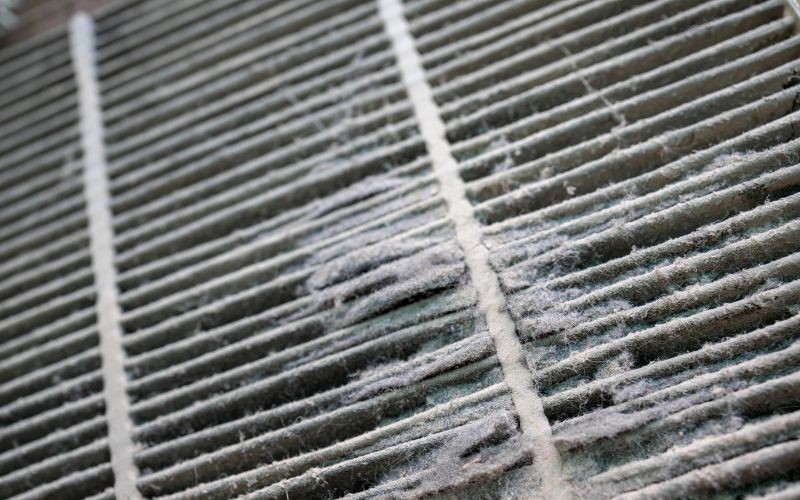
When equipment is neglected, small issues can grow into major repairs. A worn belt, dirty coil, blocked drain, failing component, or poor system performance can increase energy use and strain equipment. Eventually, the repair bill is higher than it needed to be.
VASEY’s own messaging around deferred HVAC maintenance is direct: disciplined routine service helps extend equipment life, stabilize energy costs, reduce emergency repairs, and protect occupant comfort.
VASEY’s Guaranteed Lifetime Protection Program also reinforces the financial value of proactive service. The program is positioned around maximizing equipment lifespan, detecting issues early, preventing costly breakdowns, and reducing unexpected repair expenses.
One VASEY example notes that a customer was able to extend HVAC unit life, replace old units at no additional cost, avoid added labor and crane expenses, avoid comfort disruption, and prevent sudden capital expense through GLP and preventive maintenance planning.
That is the real cost difference: reactive maintenance pays when something fails; preventive maintenance helps control the cost before failure takes over.
Efficiency: Planned Service Keeps Buildings Running
A commercial facility depends on working systems. HVAC, refrigeration, plumbing, drains, controls, and other equipment all affect comfort, productivity, and daily operations.
Reactive maintenance interrupts that rhythm. When equipment fails, the business has to adjust around the failure. Employees, tenants, customers, students, patients, or production teams may all be affected.
Preventive maintenance keeps work more predictable. VASEY states that preventive maintenance helps reduce the likelihood of breakdowns and delays while technicians wait for replacement parts.
That matters because downtime is rarely just a repair issue. It can mean lost productivity, tenant complaints, food spoilage, production delays, comfort problems, or emergency scheduling headaches.
VASEY’s older Applebee’s case example shows the practical value of this approach. A comprehensive proactive/preventive maintenance program covering approximately 100 rooftop HVAC units and 400 pieces of refrigeration equipment reportedly decreased emergency service calls by 30% and increased equipment life expectancy by three to five years.
That is the kind of operational result facility managers should care about: fewer emergencies, longer equipment life, and better day-to-day performance.
Safety: Prevention Reduces Risk
Safety is another major reason preventive maintenance is the better long-term strategy.
Poorly maintained systems can create unsafe conditions. HVAC problems can affect indoor air quality and occupant comfort. Plumbing or drain failures can create sanitation issues. Mechanical failures can create hazards for technicians, occupants, or building operations.
Preventive maintenance gives trained technicians a chance to identify problems before they create unsafe or disruptive conditions. VASEY’s preventive programs are designed around inspections, tune-ups, and system checks focused on efficiency, safety, and reliability.
Reactive maintenance often puts everyone under pressure. Crews are responding to a failure, facility staff are managing complaints, and the business is trying to stay open or operational. Preventive maintenance does not eliminate every risk, but it reduces the odds of rushed decisions and emergency conditions.
The Bottom Line
Preventive maintenance saves more over the long run because it protects the things that matter most: equipment life, operating costs, occupant comfort, business continuity, and safety.
Reactive maintenance has its place when emergencies happen. VASEY is built to respond when facilities need immediate help. But as a primary strategy, waiting for failure is expensive and risky.
A proactive maintenance approach gives facility managers more control. Instead of guessing when equipment will fail, they can plan service, track system condition, address issues early, and budget with more confidence.
For businesses that depend on reliable buildings, preventive maintenance is not just a service expense. It is a practical investment in uptime, safety, and long-term value.