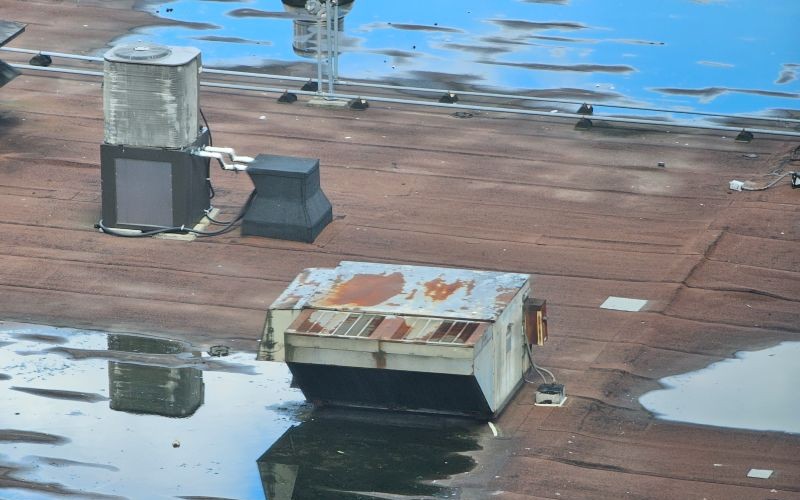
Commercial HVAC and plumbing problems can shut down a facility fast. In Central Indiana, where businesses deal with hot, humid summers, cold winters, heavy seasonal equipment use, and aging commercial buildings, reliable building systems are not optional. They are part of keeping operations running.
Whether your facility is in Indianapolis, Carmel, Fishers, Brownsburg, Greenwood, Zionsville, Noblesville, or another Central Indiana community, HVAC and plumbing systems play a direct role in business continuity. When heating, cooling, drains, water heaters, or piping systems fail, the result can be uncomfortable occupants, property damage, emergency repair costs, lost productivity, and unnecessary downtime.
The good news is that many commercial HVAC and plumbing problems can be prevented with routine inspections and a structured preventive maintenance program. Instead of waiting for something to break, facility managers can identify warning signs early, schedule service at the right time, and reduce the risk of costly disruptions.
Here are five signs your Central Indiana facility needs a preventive maintenance program now.
1. Your Facility Is Dealing with Recurring HVAC or Plumbing Repairs
If your team is placing service calls over and over again, the problem may not be one isolated issue. It may be a sign that your facility needs a more complete maintenance plan.
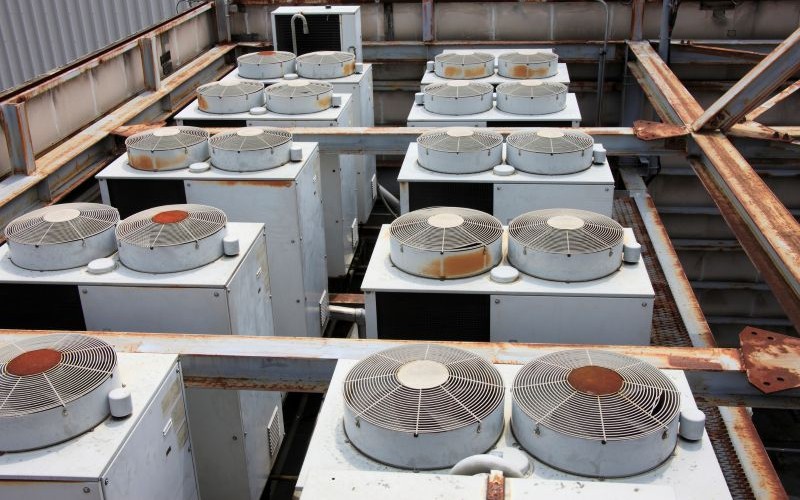
Recurring commercial HVAC problems may include uneven temperatures, poor airflow, thermostat issues, strange noises, short cycling, humidity problems, or rooftop units struggling during peak heating and cooling seasons. In Central Indiana, those peak seasons matter. Air conditioning systems work hard during humid summer months, while heating systems are pushed during cold winter conditions.
Commercial plumbing issues can be just as disruptive. Slow drains, leaking fixtures, backed-up lines, inconsistent hot water, running toilets, and restroom problems can quickly affect employees, customers, tenants, students, patients, or visitors.
A single repair may fix the immediate issue, but it does not always address the root cause. Routine facility inspections allow technicians to look at the full system, identify patterns, and correct small problems before they become larger failures.
For commercial buildings in the Indianapolis area and throughout Central Indiana, recurring repair calls are a clear warning sign that preventive maintenance is overdue.
2. Your HVAC and Plumbing Equipment Is Aging Without a Clear Inspection Schedule
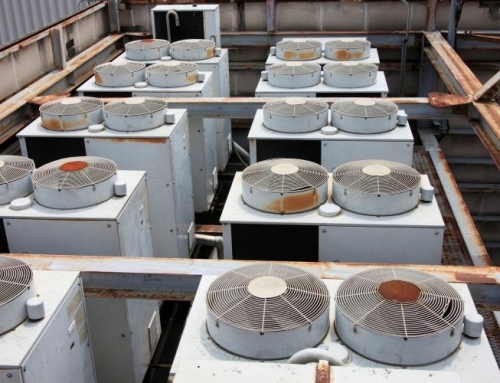
Every commercial building depends on equipment that works behind the scenes every day. Rooftop HVAC units, boilers, chillers, pumps, water heaters, drain lines, valves, piping systems, and controls all wear down over time.
The issue is not just age. The bigger problem is aging equipment without a routine inspection schedule.
Commercial HVAC maintenance should include regular filter changes, belt inspections, coil cleaning, electrical checks, refrigerant reviews, control checks, airflow testing, and overall performance evaluations. Commercial plumbing maintenance should include leak inspections, drain reviews, water heater maintenance, fixture checks, pressure checks, and pipe condition assessments.
Without routine inspections, small issues stay hidden. Dirty coils can reduce HVAC efficiency. A worn belt can lead to equipment failure. Sediment buildup can shorten the life of a commercial water heater. A small leak can damage walls, ceilings, flooring, inventory, or equipment.
Central Indiana facilities often operate in buildings with a wide range of ages, layouts, and system demands. Some are newer commercial spaces. Others have been expanded, remodeled, or repurposed over time. A preventive maintenance program helps keep those systems aligned with the building’s current needs.
3. Comfort Complaints Are Becoming More Common
Comfort complaints should not be brushed aside. If employees, tenants, customers, students, or visitors are regularly saying the building is too hot, too cold, stuffy, humid, or uncomfortable, your HVAC system may not be operating properly.
Common causes include dirty filters, poor airflow, blocked vents, failing components, outdated controls, refrigerant issues, aging rooftop units, or systems that are no longer properly matched to the building’s use.
In Central Indiana, seasonal swings put extra pressure on commercial HVAC systems. A building may need strong cooling and humidity control in July and reliable heating in January. If equipment is not inspected and maintained, it may struggle when it is needed most.
Routine HVAC inspections help identify performance issues before they affect daily operations. Technicians can review airflow, controls, equipment condition, temperature consistency, and system performance. That helps keep the facility comfortable and dependable.
Comfort is more than a convenience. It affects employee productivity, tenant satisfaction, customer experience, and the overall impression of your business.
4. Drains, Water Heaters, or Fixtures Are Becoming Unreliable
Commercial plumbing problems can quickly interrupt business operations. A drain backup, restroom closure, water heater failure, or active leak can create safety concerns, sanitation issues, property damage, and downtime.
In commercial buildings, plumbing systems work hard. Restrooms, kitchens, break rooms, mechanical rooms, floor drains, production areas, and common spaces all depend on reliable water and drainage systems. Over time, grease, sediment, debris, mineral buildup, corrosion, and normal wear can cause problems.
Routine commercial plumbing maintenance helps prevent those disruptions. Scheduled drain cleaning can reduce the risk of backups. Water heater maintenance can improve performance and reliability. Leak detection can identify hidden problems before they lead to costly damage.
For businesses in Indianapolis, Carmel, Fishers, Brownsburg, Greenwood, Zionsville, and surrounding Central Indiana communities, plumbing reliability is directly connected to business continuity. When water does not flow properly, daily operations suffer.
Preventive maintenance helps keep water moving where it should and stops it from going where it should not.
5. Emergency Repairs Have Become the Normal Response
If your facility only addresses HVAC and plumbing problems after something breaks, the building is operating reactively. That is an expensive way to manage commercial systems.
Emergency repairs often happen at the worst possible time. HVAC systems fail during extreme heat or cold. Plumbing backups happen during business hours. Water heaters go down when hot water is needed most. Leaks are discovered after damage has already started.
Reactive maintenance can lead to higher repair costs, after-hours service calls, temporary fixes, rushed decisions, occupant complaints, and avoidable downtime.
A preventive maintenance program puts your facility back in control. Instead of waiting for a failure, inspections are scheduled. HVAC equipment is reviewed before peak cooling and heating seasons. Drains are cleaned before backups occur. Water heaters are checked before performance drops. Leaks are identified before they cause major damage.
For Central Indiana commercial facilities, this kind of planning is practical. It helps reduce surprises, protect maintenance budgets, and keep operations moving.
Why Routine HVAC and Plumbing Inspections Matter
Routine inspections are not just about checking equipment. They are about protecting the building, the people inside it, and the business that depends on it.
A strong preventive maintenance program can help reduce emergency service calls, extend the life of HVAC and plumbing equipment, improve comfort, support indoor air quality, prevent drain backups, improve water heater reliability, identify leaks early, reduce property damage, control maintenance costs, and support better budgeting.
For facility managers in Central Indiana, preventive maintenance also helps prepare buildings for seasonal demand. Commercial HVAC systems need to be ready before summer heat and winter cold arrive. Plumbing systems need to stay reliable through daily use, weather changes, and heavy occupancy.
Waiting until something breaks is not a maintenance strategy. It is a gamble with your facility, your budget, and your business operations.
Protect Business Continuity with Preventive Maintenance in Central Indiana
Commercial HVAC and plumbing systems are essential to daily business operations. When they fail, the impact is immediate. Employees are disrupted. Customers notice. Tenants complain. Production slows. Property damage may follow.
Preventive maintenance gives Central Indiana facility managers a better way forward. Through routine inspections, scheduled HVAC maintenance, commercial plumbing service, drain cleaning, water heater maintenance, and leak detection, businesses can reduce downtime and avoid costly surprises.
If your facility is seeing recurring HVAC or plumbing issues, now is the time to act.
Schedule a preventive maintenance review for your Central Indiana commercial facility and keep your building prepared for the demands of every season.